Road networks are subjected to repeated traffic loading, moisture, temperature changes, and subgrade movement. Over time, these factors can contribute to rutting, cracking, loss of aggregate support, and premature pavement deterioration.
Conventional rehabilitation may involve asphalt overlays, localized excavation, or reconstruction of failed pavement layers. Depending on the condition of the existing pavement and subgrade, these approaches can require significant quantities of materials and may result in longer construction periods and traffic disruption.
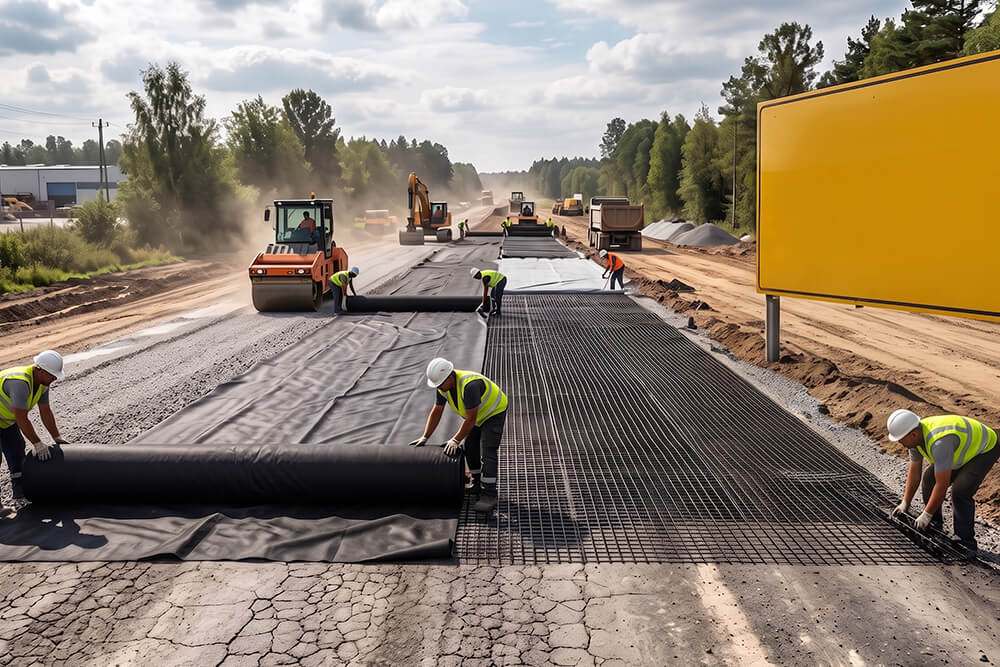
Geosynthetics can be incorporated into pavement rehabilitation to address specific failure mechanisms. Depending on the product and application, geotextiles and geogrids can provide interlayer stress relief, separation, filtration, drainage, or structural reinforcement.
This guide provides a practical overview of common geotextile and geogrid applications in road rehabilitation, together with key considerations for design and installation.
When incorporated into pavement or subgrade rehabilitation works, geosynthetics can perform several engineering functions:
Reflective cracking can occur when cracks or joints in an existing asphalt or concrete pavement propagate into a new asphalt overlay under traffic and environmental loading.
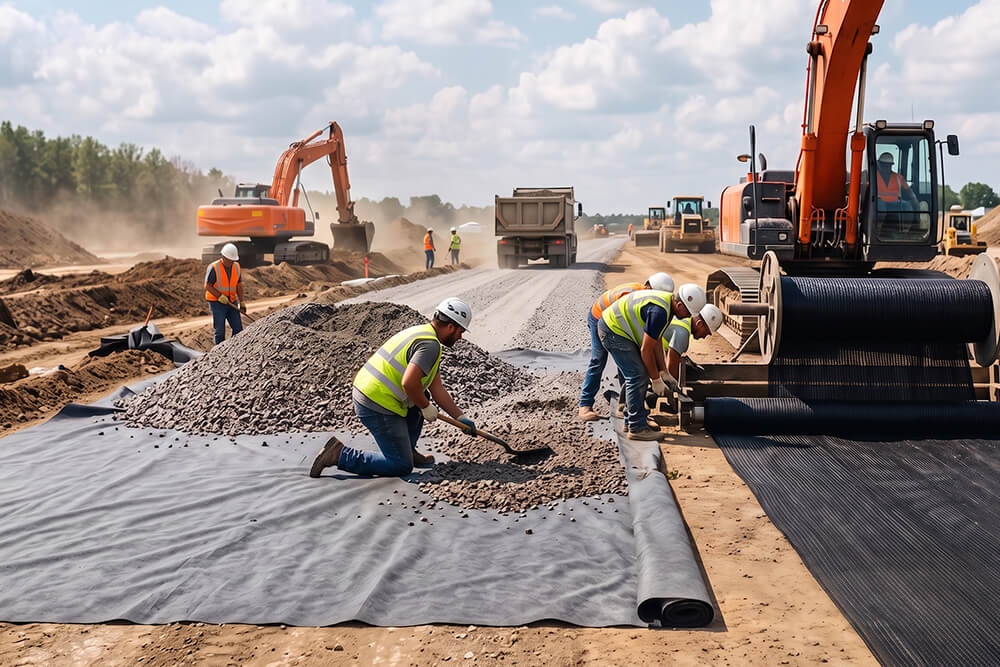
Road rehabilitation over weak or moisture-sensitive subgrades can experience rutting, aggregate contamination, loss of bearing capacity, and deformation under repeated traffic loading. A suitable geotextile can help separate the aggregate from the subgrade and, where appropriate, contribute to stabilization by improving aggregate-layer performance.
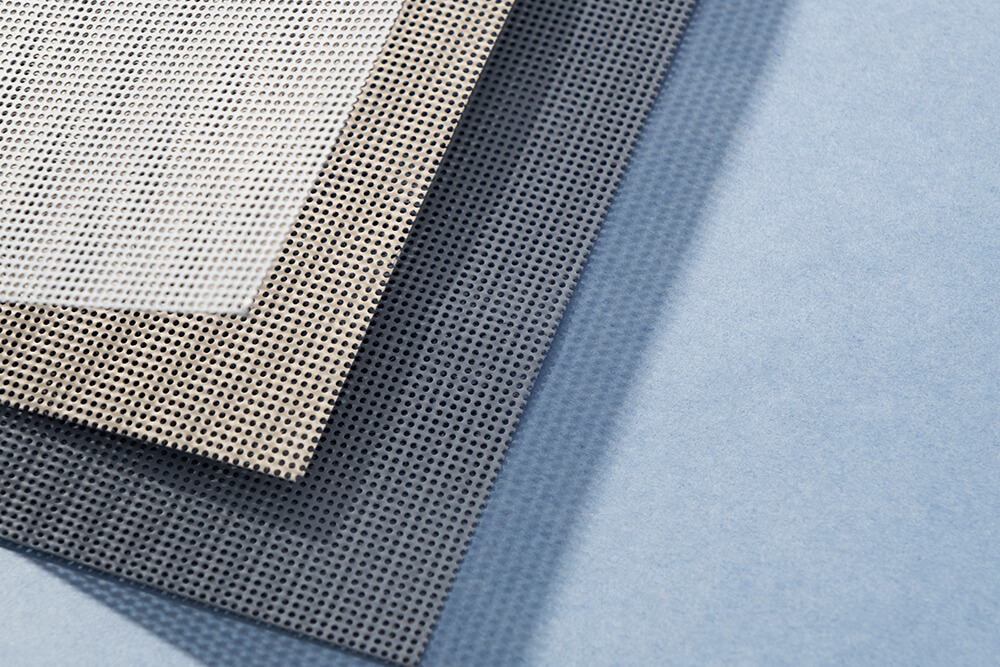
Nonwoven, woven, or composite geosynthetics may be considered depending on whether the primary requirement is separation, filtration, drainage, reinforcement, or a combination of functions. Product selection should be based on project-specific subgrade, aggregate, loading, and hydraulic conditions.
The appropriate geosynthetic depends on the pavement distress mechanism and the function required. Paving fabrics and geogrids can also be used together in composite pavement rehabilitation systems.
Good pavement rehabilitation performance depends on both appropriate product selection and proper site installation. The following parameters should be considered together with the manufacturer's installation recommendations and project specifications.
Geosynthetics provide practical solutions for pavement rehabilitation when the product and installation method are matched to the underlying failure mechanism. Paving fabrics are commonly used as interlayers for stress relief and moisture resistance, while stabilization geotextiles and geogrids can address separation, aggregate confinement, and reinforcement requirements.
Successful application requires assessment of the existing pavement, subgrade, and drainage conditions, followed by appropriate product selection, design, surface preparation, installation, and quality control. NovaGeo Asia can support pavement rehabilitation projects from product selection and technical assessment through to site installation support.