

Geotextile drainage fabric has become an essential material in modern construction, bridging the gap between engineering innovation and practical performance. By combining drainage, soil stabilization, and reinforcement functions, geotextiles ensure the longevity and safety of infrastructure, roads, and residential projects. From large-scale civil engineering projects to backyard landscaping, geotextile drainage fabrics offer cost-effective, environmentally responsible solutions that protect structures from water damage, erosion, and soil instability. Understanding the applications, types, and benefits of geotextile fabrics is critical for professionals and homeowners seeking durable, long-lasting results.
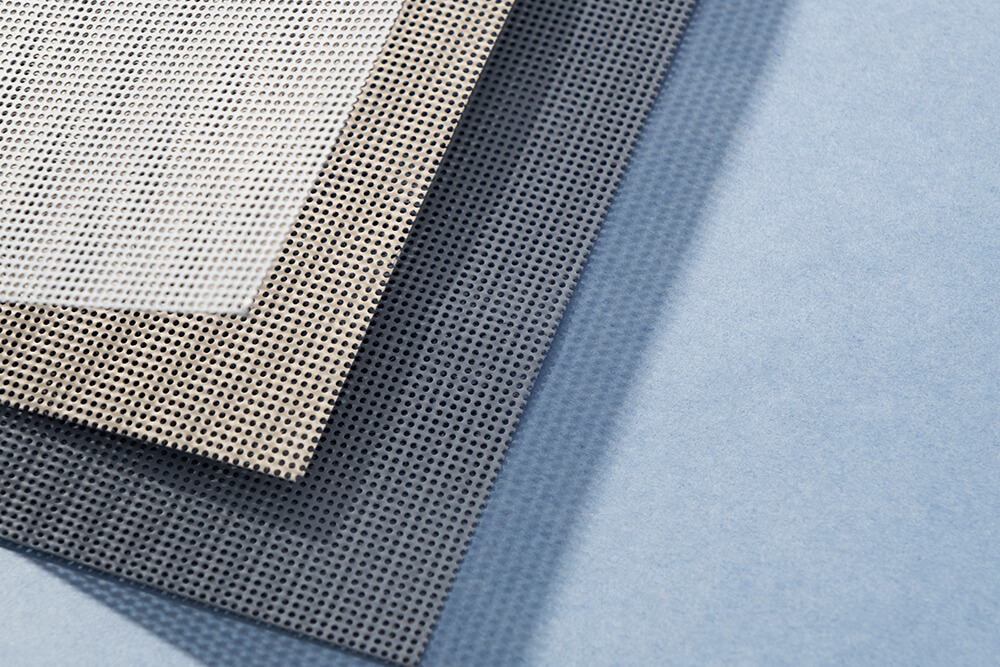
What Is Geotextile Drainage Fabric?
Geotextile drainage fabric is a permeable, synthetic material made from fibers like polypropylene or polyester. It is designed to manage water flow, prevent soil migration, and reinforce surfaces exposed to moisture or load-bearing conditions. By creating a separation layer between soil and construction materials, geotextiles prevent erosion, facilitate proper drainage, and increase the lifespan of structures. They are widely used in civil, industrial, and residential projects to improve performance and sustainability.
- Woven fabrics consist of interlaced fibers that provide high tensile strength, making them suitable for load-bearing applications like roads, highways, and retaining walls.
- Non-woven fabrics are bonded into a mat structure, focusing on filtration and drainage. They are commonly used in drainage trenches, landfills, and water management systems.
Choosing the right type depends on project requirements for load capacity, water flow, and soil filtration.
Key Benefits of Using Geotextile Drainage Fabric
Geotextile drainage fabrics offer a range of functional and economic benefits in construction, enhancing both performance and sustainability. Their key advantages include improved drainage, soil stabilization, structural longevity, cost-effectiveness, and environmental protection.
Best Uses of Geotextile Drainage Fabric in Construction
Geotextile drainage fabrics have diverse applications in civil and residential construction, providing stability, proper drainage, and erosion control across multiple environments.
Geotextile Drainage Fabric in Civil Engineering Projects
Geotextiles play a crucial role in civil engineering, where water management, soil stabilization, and erosion control are vital to structural performance.
Geotextile Drainage Fabric for Landscaping & Residential Construction
In residential and landscaping projects, geotextiles enhance soil management, drainage, and aesthetic longevity.
How to Choose the Right Geotextile Drainage Fabric
Selecting the proper geotextile requires consideration of project-specific factors, including load-bearing requirements, soil types, water flow rates, and regulatory standards.
Conclusion: Why Geotextile Drainage Fabric Is Essential in Modern Construction
Geotextile drainage fabrics are indispensable in both civil and residential construction, providing solutions for water management, soil stabilization, and erosion control. Their versatility, cost-effectiveness, and environmental benefits make them a preferred choice for infrastructure projects, landscaping, and urban development. By selecting the right geotextile for each application, builders and engineers can enhance structural longevity, reduce maintenance costs, and promote sustainable construction practices, making geotextiles an essential element of modern construction.
At NovaGeo, we are committed to providing high-quality geotextiles to contractors for any construction project. With NovaTex - our signature geotextile solution, contractors can acquire woven, non-woven, or specialty geotextiles to be used in a wide range of areas, whether it's for drainage or stabilization. With its versatility, NovaTex will serve to improve the performance of projects reliably while also cutting down construction costs.
Related Blog
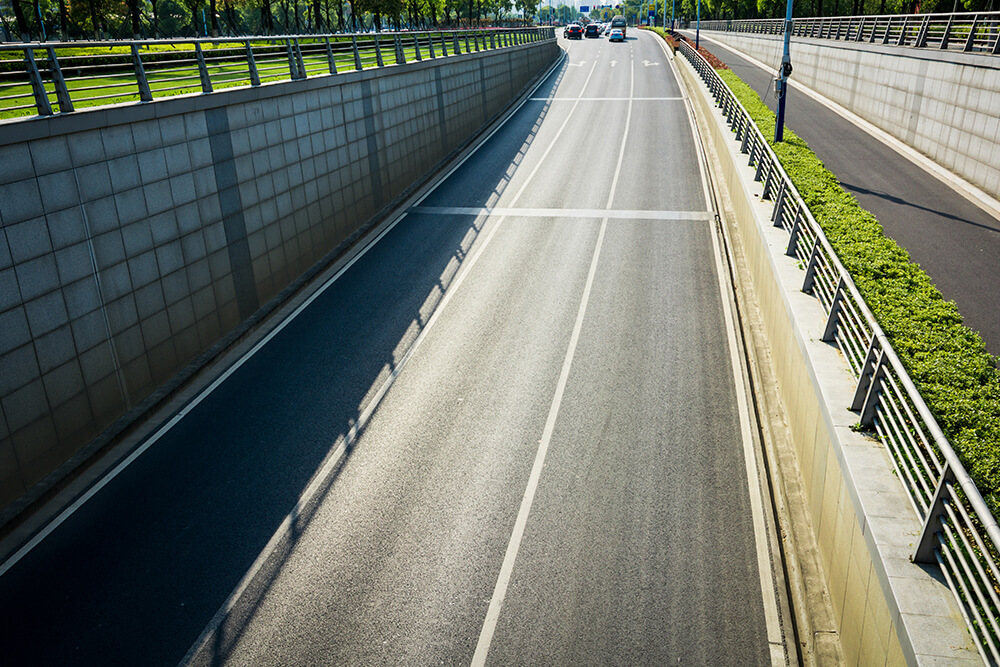
How Geotextiles Improve Road Construction Performance
Geotextiles play a crucial role in improving road construction performance by strengthening weak subgrades, enhancing load distribution, and improving drainage within pavement structures. By acting...
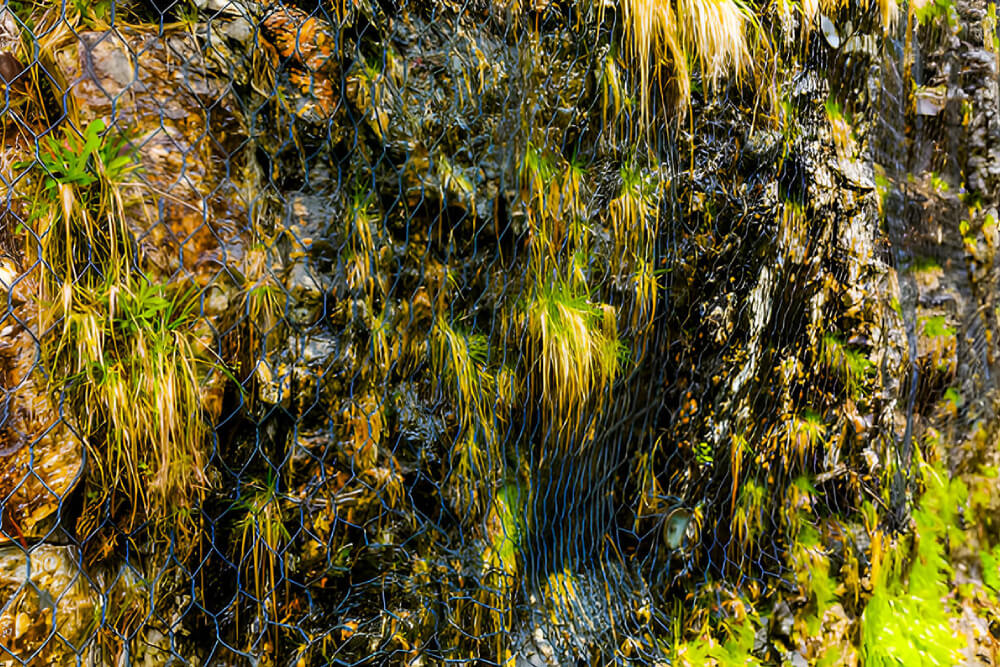
Geotextile for Slope Protection & Erosion Control
Geotextiles play a critical role in protecting slopes from erosion and structural failure in both natural and engineered environments. As construction expands into more...
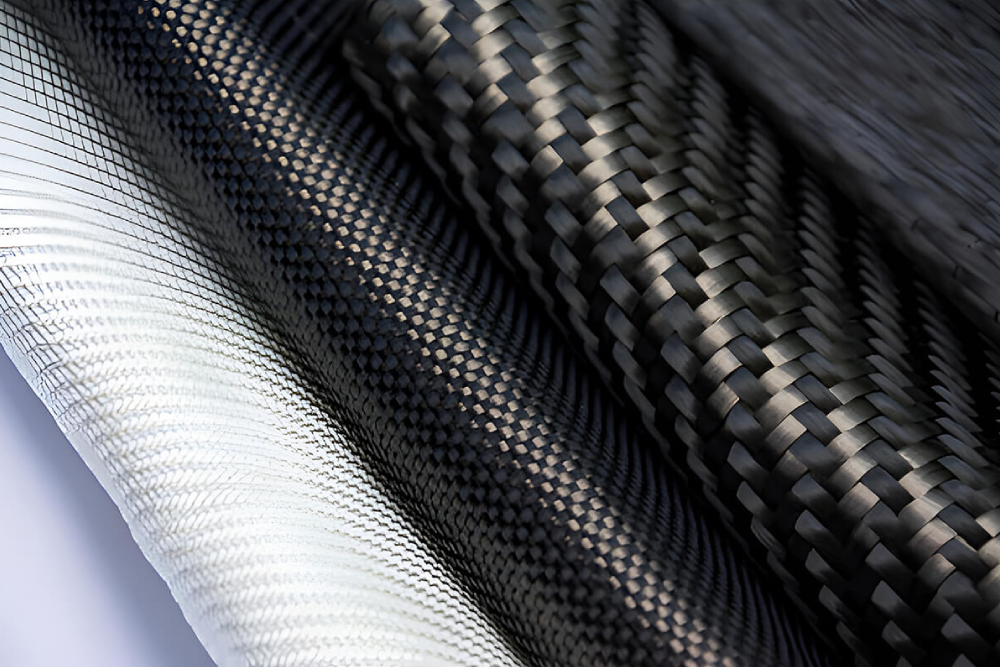
Woven vs Non-Woven Geotextile: Which Do You Need?
Choosing between woven and non-woven geotextiles is a common challenge in civil, environmental, and landscaping projects. While both materials serve similar foundational purposes, their structural...