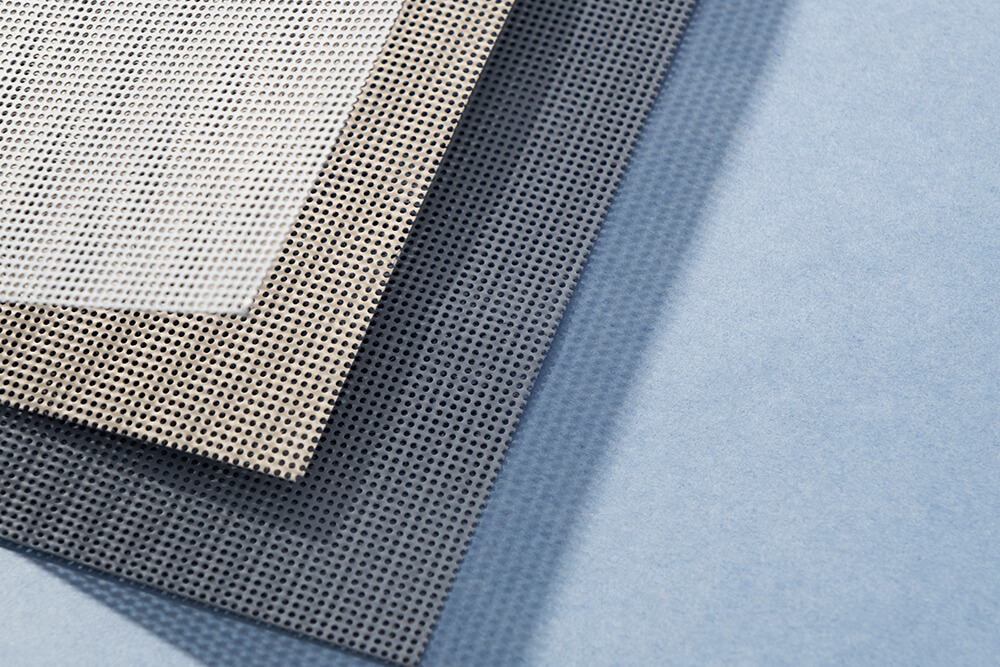
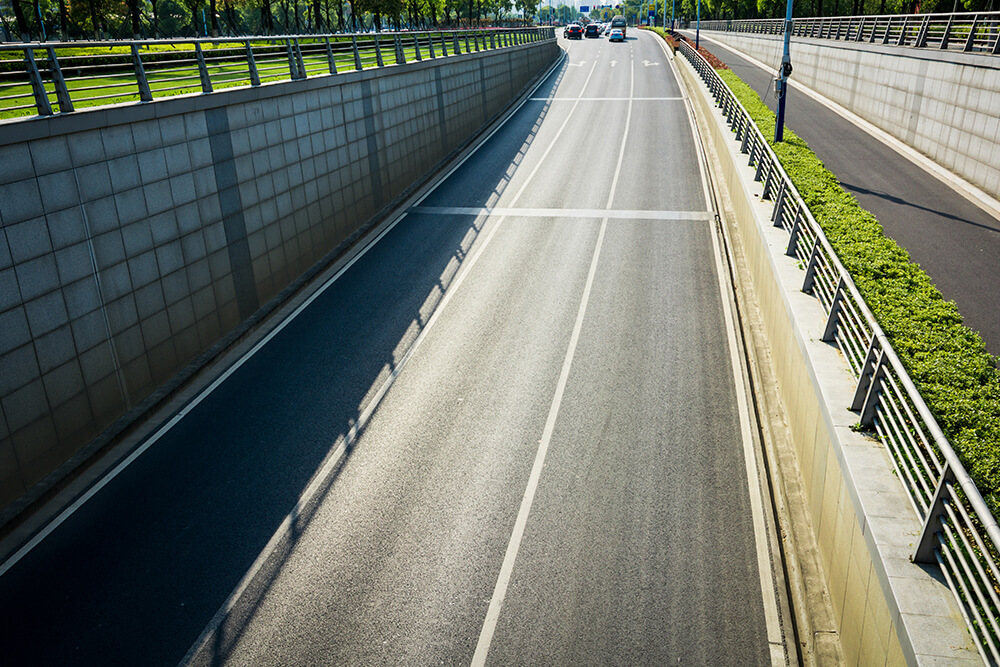
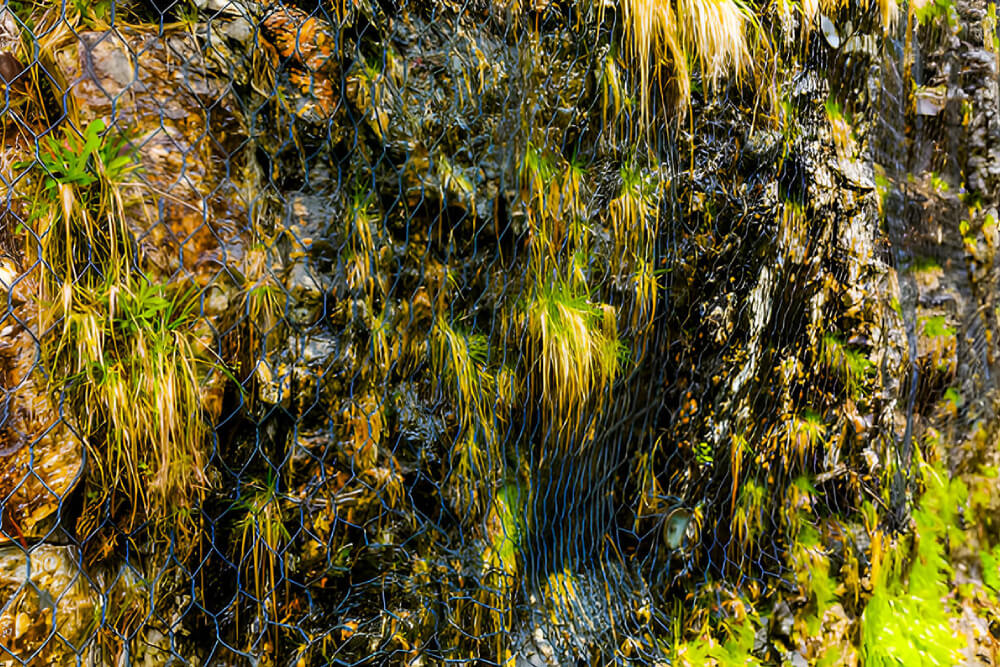
Choosing between woven and non-woven geotextiles is a common challenge in civil, environmental, and landscaping projects. While both materials serve similar foundational purposes, their structural behavior, water-handling ability, and load performance differ significantly. Understanding these differences is essential to selecting the right geotextile for long-term performance, cost efficiency, and project durability.
Introduction to Geotextiles

Geotextiles are a core component of modern ground engineering. They are used to improve soil behavior, manage water movement, and extend the lifespan of infrastructure. Before comparing woven and non-woven options, it's important to understand what geotextiles are and why they are widely used across construction and environmental applications.

What Is a Geotextile?

A geotextile is a permeable synthetic fabric placed in contact with soil, aggregate, or rock to enhance the performance of a geotechnical system. Typically manufactured from polypropylene or polyester, geotextiles perform key functions such as separation, filtration, drainage, reinforcement, and protection. They are designed to work with soil rather than replace it, improving overall structural efficiency.

Why Geotextiles Are Important in Civil and Environmental Engineering?

In civil and environmental engineering, geotextiles reduce soil failure, erosion, and material mixing while improving load distribution and water control. Their use minimizes excavation depth, lowers material costs, and increases project longevity. From highways and railways to landfills and coastal protection, geotextiles support safer, more sustainable construction practices.

What Is Woven Geotextile?

Woven geotextiles are engineered for strength-driven applications where soil stabilization and load transfer are critical. Their structured construction gives them predictable mechanical properties, making them a preferred solution in heavy-duty infrastructure projects.

How Woven Geotextiles Are Manufactured?

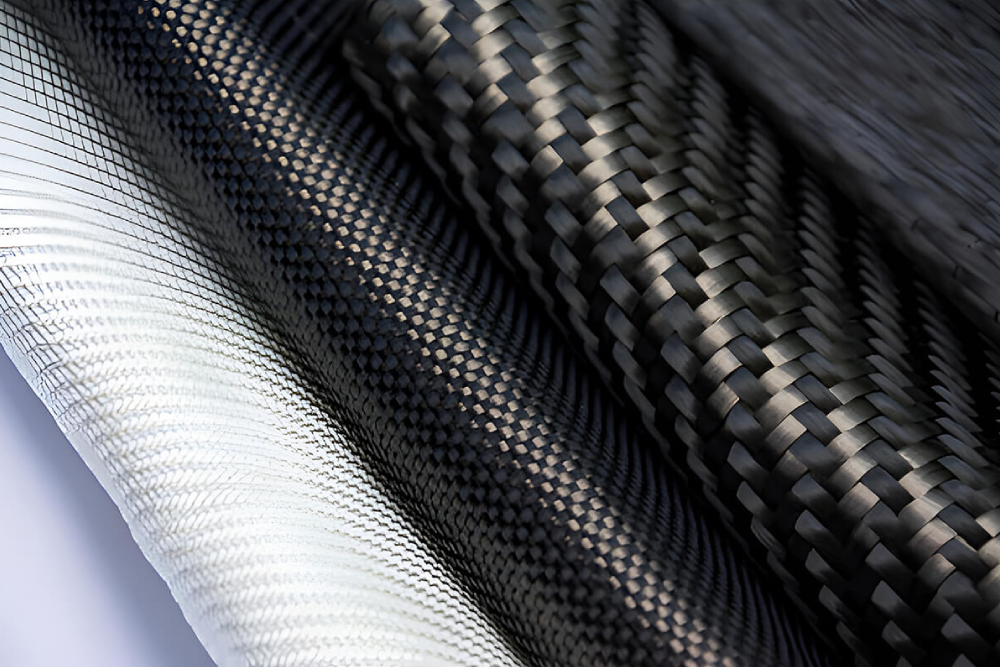
Woven geotextiles are produced by weaving flat tapes or monofilament yarns together in a crisscross pattern. This weaving process creates a stable fabric with defined openings and high tensile strength in both machine and cross-machine directions. The tight, uniform structure directly influences their reinforcement and separation performance.

Key Characteristics of Woven Geotextiles?

Woven geotextiles are characterized by high tensile strength, low elongation, and excellent dimensional stability. They offer controlled permeability and strong resistance to stretching under load. These characteristics make them well suited for applications requiring reinforcement rather than water management.

Common Applications of Woven Geotextiles

Woven geotextiles are widely used in roadways, parking areas, access roads, rail tracks, and foundation stabilization. They are also applied in embankments and load transfer platforms where soil reinforcement and long-term stability are essential.

Advantages and Limitations of Woven Geotextiles

The primary advantage of woven geotextiles is their superior strength and ability to stabilize weak subgrades. However, their tighter weave limits water flow, which can reduce effectiveness in drainage-heavy applications. Proper design is necessary to avoid clogging in fine soils.

What Is Non-Woven Geotextile?

Non-woven geotextiles are designed to prioritize filtration, drainage, and protection rather than structural reinforcement. Their flexible structure makes them ideal for applications involving water movement and uneven ground surfaces.

How Non-Woven Geotextiles Are Manufactured?

Non-woven geotextiles are made by bonding continuous or staple fibers together using needle punching, heat bonding, or chemical methods. The fibers are randomly oriented, creating a thick, felt-like fabric that allows multidirectional water flow.

Key Characteristics of Non-Woven Geotextiles?

Non-woven geotextiles feature high permeability, excellent filtration capacity, and good puncture resistance. Their thickness provides cushioning and protection, making them suitable for use alongside geomembranes and drainage layers.

Common Applications of Non-Woven Geotextiles

Typical uses include drainage systems, erosion control, riverbanks, coastal works, landscaping, and landfill projects. They are often installed behind retaining walls, around perforated pipes, and beneath riprap or gabions.

Advantages and Limitations of Non-Woven Geotextiles

Non-woven geotextiles excel at water management and soil filtration and are easy to install on irregular surfaces. However, they generally offer lower tensile strength than woven geotextiles, limiting their effectiveness in high-load reinforcement applications.

Woven vs Non-Woven Geotextile: Key Differences

This section directly compares woven and non-woven geotextiles across performance categories that most influence material selection. Understanding these differences helps align the geotextile type with project requirements.

Strength and Load-Bearing Capacity

Woven geotextiles provide significantly higher tensile strength and load-bearing capability, making them suitable for structural reinforcement. Non-woven geotextiles offer moderate strength but are not designed to carry heavy loads.

Filtration and Drainage Performance

Non-woven geotextiles deliver superior filtration and drainage performance due to their random fiber structure. Woven geotextiles provide controlled filtration but may restrict water flow in saturated environments.

Permeability and Water Flow

Water flows freely in multiple directions through non-woven geotextiles, supporting drainage efficiency. Woven geotextiles allow more limited flow through defined openings, which is better suited for separation than drainage.

Durability and Puncture Resistance

Non-woven geotextiles typically provide better puncture resistance and cushioning, especially when placed against sharp aggregates. Woven geotextiles are durable under tension but require proper installation to avoid damage.

Cost Comparison and Installation Considerations

Woven geotextiles are often more economical for large stabilization projects due to lower material thickness and high strength. Non-woven geotextiles may cost more per square meter but can reduce installation complexity in drainage and filtration applications.

How to Choose the Right Geotextile for Your Project

Selecting the correct geotextile depends on understanding the primary function required—whether reinforcement, filtration, drainage, or protection. Different applications demand different performance characteristics.

Geotextile Selection for Road Construction

Road construction typically requires woven geotextiles to provide separation and reinforcement under repeated traffic loads. They prevent aggregate loss and improve subgrade performance.

Geotextile Selection for Drainage Systems

Drainage systems benefit most from non-woven geotextiles because of their high permeability and resistance to clogging, ensuring long-term water flow.

Geotextile Selection for Erosion Control

For erosion control, non-woven geotextiles are preferred due to their flexibility, soil retention capability, and ability to conform to slopes and channels.

Geotextile Selection for Landscaping and Hardscaping

In landscaping and hardscaping, non-woven geotextiles are commonly used beneath patios, walkways, and garden beds to improve drainage and prevent soil migration.

Woven vs Non-Woven Geotextile by Application Type

This section compares both geotextile types based on how they perform in specific functional roles rather than general characteristics.

Separation and Soil Stabilization

Woven geotextiles are the preferred choice for separation and stabilization under heavy loads, while non-woven geotextiles are suitable for lighter separation needs.

Filtration and Drainage Applications

Non-woven geotextiles dominate filtration and drainage applications due to their superior water flow and soil retention properties.

Reinforcement Applications

Reinforcement applications demand woven geotextiles because of their high tensile strength and low deformation under load.

Environmental and Sludge Management Uses

Non-woven geotextiles are widely used in environmental applications such as sludge dewatering, landfill drainage, and shoreline protection.

Conclusion: Making the Right Choice Between Woven vs Non-Woven Geotextile

Both woven and non-woven geotextiles play essential roles in modern construction and environmental engineering. Woven geotextiles are best for strength, stabilization, and reinforcement, while non-woven geotextiles excel in filtration, drainage, and protection. By matching geotextile properties to project requirements, you ensure better performance, reduced maintenance, and longer-lasting results. No matter if it's woven or non-woven geotextiles, contractors can get both reliably from many brands such as Novageo. NovaTex is their specially designed geotextile that is available in both woven and non-woven variants, making NovaTex a versatile product ideal for various reinforcement and construction works across various landscapes.


Share this post

Related Blog