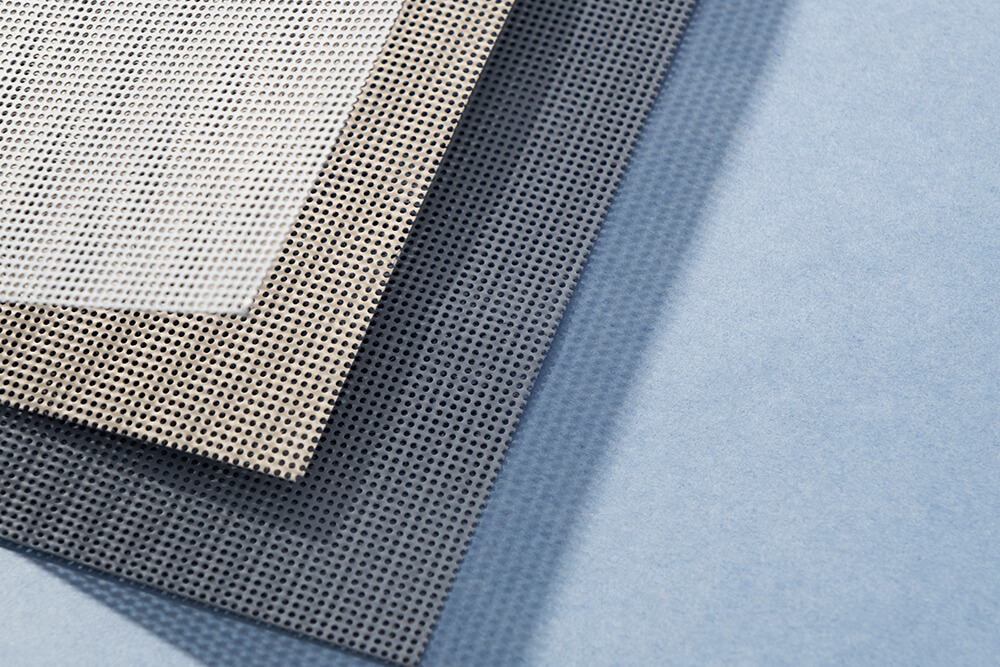
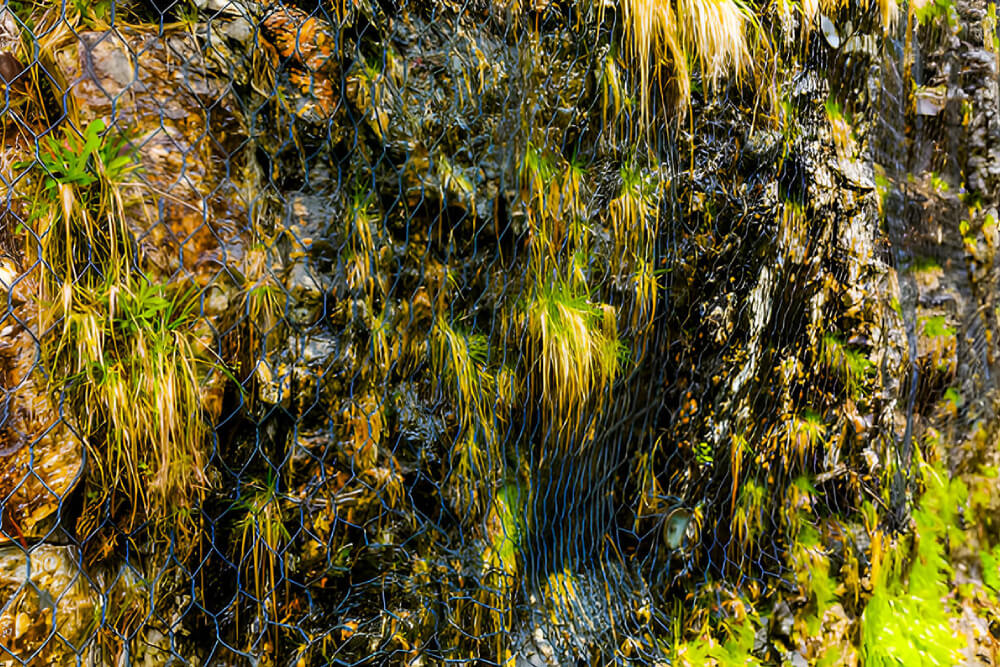
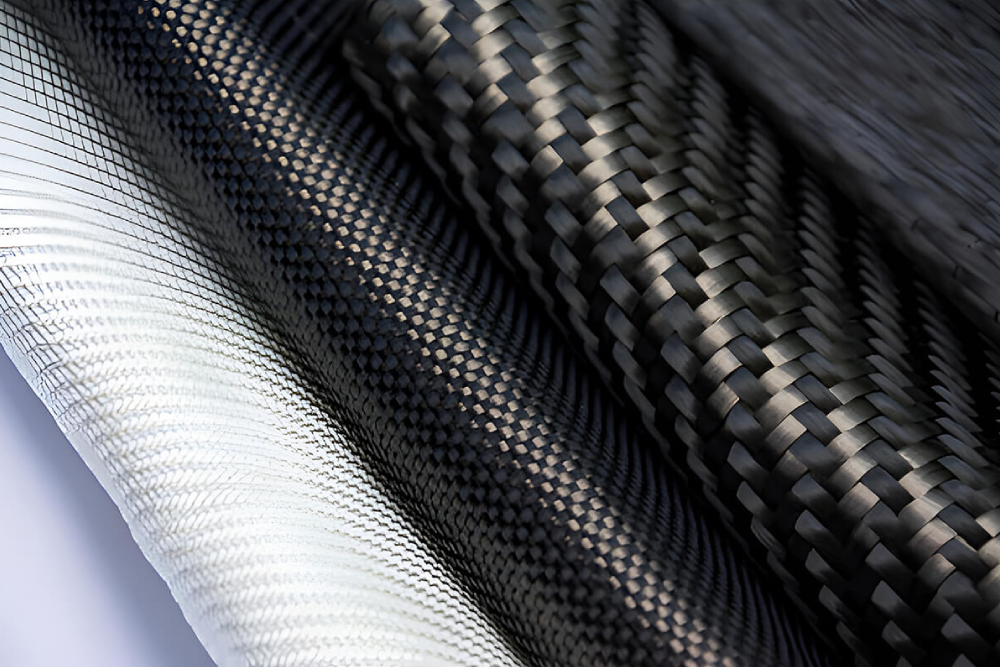
Geotextiles play a crucial role in improving road construction performance by strengthening weak subgrades, enhancing load distribution, and improving drainage within pavement structures. By acting as a separation, reinforcement, and filtration layer between soil and aggregate, geotextiles help prevent common road failures such as rutting, cracking, and subgrade instability. Their use allows roads to perform reliably under heavy traffic loads and challenging ground conditions while reducing material usage, construction time, and long-term maintenance costs, making geotextiles an essential component of modern, high-performance road construction.
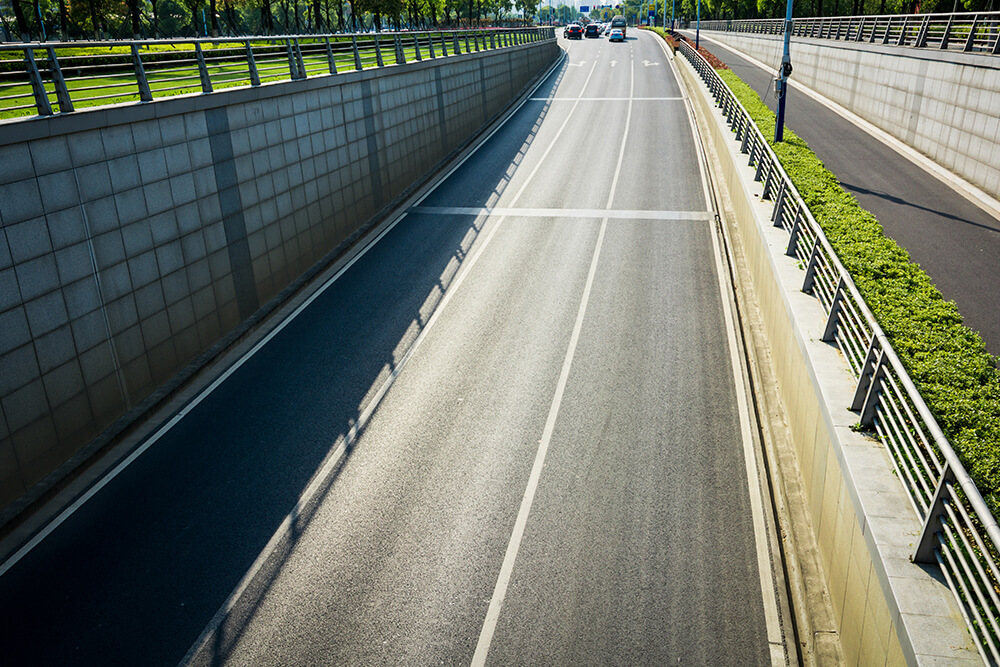
Introduction to Geotextiles in Road Construction

Geotextiles have become a critical component in modern road construction, helping engineers build stronger, longer-lasting, and more cost-effective roadways. By addressing common challenges such as weak subgrades, poor drainage, and heavy traffic loads, geotextiles significantly enhance overall road performance. Their versatility and proven effectiveness have made them a standard solution in infrastructure projects worldwide.

What are Geotextiles?

Geotextiles are permeable synthetic fabrics, typically made from polypropylene or polyester, that are used in conjunction with soil in construction projects. In road construction, they are placed between soil layers or beneath pavement structures to improve soil behavior and structural integrity. Despite being lightweight, geotextiles are engineered to withstand high stresses and harsh environmental conditions.

Importance of Geotextiles in Modern Infrastructure

As traffic volumes increase and construction expands into areas with challenging ground conditions, traditional road-building methods are often insufficient. Geotextiles provide reliable solutions that improve load-bearing capacity, reduce failures, and extend the lifespan of roads. Their use supports safer, more resilient infrastructure while optimizing construction resources.

Overview of Geotextile Applications in Roads

In road construction, geotextiles are commonly used for separation, reinforcement, filtration, drainage, and erosion control. They are applied in various layers of the road structure, from the subgrade to pavement rehabilitation systems, making them suitable for both new construction and maintenance projects.

Types of Geotextiles Used in Road Construction

Different types of geotextiles are designed to perform specific functions, allowing engineers to select the most suitable material for each road project.

Woven Geotextiles

Woven geotextiles are manufactured by weaving synthetic fibers into a tight, grid-like structure. They offer high tensile strength and are primarily used for reinforcement and separation. In road construction, woven geotextiles help distribute loads evenly and prevent the intermixing of subgrade and aggregate layers.

Non-Woven Geotextiles

Non-woven geotextiles are produced by bonding fibers together through mechanical, thermal, or chemical processes. They are highly permeable, making them ideal for filtration and drainage applications. These geotextiles allow water to pass through while retaining soil particles, improving road stability in wet conditions.

Knitted Geotextiles

Knitted geotextiles are created by interlocking yarns together, combining flexibility with strength. Although less commonly used than woven and non-woven types, knitted geotextiles are suitable for specialized road applications that require both reinforcement and adaptability to ground movement.

Comparison of Geotextile Types for Road Projects

Woven geotextiles excel in strength and reinforcement, non-woven geotextiles perform best in drainage and filtration, and knitted geotextiles offer a balance of properties for niche applications. Selecting the right type depends on factors such as soil conditions, traffic load, and environmental exposure.

Key Functions of Geotextiles in Road Performance

Geotextiles perform several essential functions that directly contribute to improved road performance and durability.

Separation of Soil Layers

One of the primary functions of geotextiles is separation. By preventing the mixing of subgrade soil and base aggregates, geotextiles maintain the integrity of each layer. This separation preserves load-bearing capacity and prevents premature road deterioration.

Reinforcement & Load Distribution

Geotextiles reinforce weak soils by distributing traffic loads over a wider area. This reduces stress on the subgrade and minimizes deformation, making roads more resistant to heavy vehicles and repeated loading.

Filtration & Drainage Control

Proper drainage is crucial for road performance. Geotextiles act as filters, allowing water to pass through while retaining fine soil particles. This function prevents water buildup, reduces pore pressure, and maintains soil stability beneath the road structure.

Erosion Control & Soil Stabilization

In areas prone to erosion, geotextiles stabilize soil and protect road embankments. They reduce soil displacement caused by water flow or traffic vibration, ensuring long-term structural stability.

How Geotextiles Enhance Road Durability

Road durability is one of the most important performance indicators in any construction project. Geotextiles directly contribute to long-term pavement integrity by improving the interaction between soil layers, reducing moisture-related damage, and reinforcing the overall road structure under continuous traffic stress.

Prevention of Subgrade Failure

Subgrade failure is a leading cause of premature road damage, often resulting from weak soils, excessive moisture, or inadequate load distribution. When geotextiles are installed between the subgrade and base layers, they act as a stabilizing interface that improves soil bearing capacity. This reinforcement helps prevent excessive settlement and shear failure, particularly in clay-rich or water-sensitive soils. By maintaining subgrade integrity, geotextiles reduce the likelihood of structural collapse over time.

Reduction of Rutting & Cracking

Rutting occurs when pavement layers deform under repeated traffic loading, while cracking often develops due to stress concentrations and moisture infiltration. Geotextiles help mitigate both issues by distributing loads more evenly across the road structure. Their separation and reinforcement functions prevent aggregate migration and reduce localized stress, leading to more uniform pavement performance. In addition, geotextiles used in overlay applications can delay reflective cracking, extending the service life of rehabilitated roads.

Improved Resistance to Heavy Traffic Loads

Modern roads are subjected to increasing traffic volumes and heavier vehicles than ever before. Geotextiles enhance resistance to these loads by reinforcing weak soil zones and improving structural continuity. This added strength allows roads to better withstand repetitive loading without excessive deformation, making geotextiles particularly valuable for highways, industrial access roads, and logistics corridors.

Extended Road Service Life

By addressing multiple failure mechanisms simultaneously—such as poor drainage, soil mixing, and load-induced deformation—geotextiles significantly extend road service life. Roads constructed with geotextiles experience slower deterioration rates, reduced structural damage, and longer intervals between major rehabilitation works, resulting in improved lifecycle performance.

Cost & Construction Efficiency Benefits

Beyond performance improvements, geotextiles deliver measurable economic benefits throughout both construction and operational phases of a road project.

Reduced Material Usage

Geotextiles enable engineers to optimize pavement designs by reducing the thickness of aggregate layers without sacrificing structural strength. This reduction lowers the volume of quarried materials required, resulting in cost savings on raw materials, transportation, and handling. In large-scale road projects, these savings can be substantial.

Lower Maintenance & Repair Costs

Improved durability directly translates into lower maintenance demands. Roads reinforced with geotextiles are less prone to rutting, cracking, and drainage-related damage, reducing the frequency and severity of repairs. Over the lifespan of the road, this results in significantly lower maintenance expenditures and reduced disruption to road users.

Faster Construction Timelines

Geotextiles are lightweight, easy to transport, and quick to install, allowing construction teams to work more efficiently. Their use minimizes the need for extensive soil replacement or stabilization measures, accelerating project timelines. Faster construction also reduces labor costs and shortens road closures or traffic disruptions.

Improved Performance in Weak or Soft Soils

In areas with poor ground conditions, traditional construction methods often require deep excavation or costly soil improvement techniques. Geotextiles provide an effective alternative by stabilizing weak soils in situ. This makes it possible to construct reliable roads in challenging environments such as wetlands, coastal areas, and soft clay regions, without excessive groundwork.

Environmental & Sustainability Benefits

Sustainability is an increasingly important consideration in infrastructure development, and geotextiles support environmentally responsible construction practices.

Reduced Environmental Impact

By minimizing excavation, reducing aggregate consumption, and improving construction efficiency, geotextiles help lower the overall environmental footprint of road projects. Less disturbance to natural ground conditions preserves surrounding ecosystems and reduces construction-related emissions.

Improved Drainage & Water Management

Effective water management is essential for both road performance and environmental protection. Geotextiles facilitate controlled drainage by allowing water to pass through while retaining soil particles. This reduces erosion, prevents sediment runoff into nearby waterways, and supports stable road foundations even during heavy rainfall.

Use of Recycled & Eco-Friendly Materials

Many geotextiles are manufactured using recycled polymers and designed for long-term durability. Their extended service life reduces the need for frequent replacement and reconstruction, aligning road construction practices with sustainability and circular economy principles.

Common Road Construction Applications of Geotextiles

The versatility of geotextiles makes them suitable for a wide range of road construction and rehabilitation scenarios.

Highways & Expressways

In high-speed, high-load environments, geotextiles enhance pavement performance by reinforcing base layers and improving drainage. Their use helps maintain smooth surfaces and structural integrity under continuous traffic demand.

Rural & Low-Volume Roads

For rural roads, geotextiles offer a cost-effective geosynthetic solution to improve stability and longevity. They reduce maintenance needs while enabling reliable access routes in areas with limited construction budgets.

Temporary Access Roads

Temporary roads often traverse weak or unstable ground. Geotextiles provide immediate load support and separation, allowing vehicles to operate safely while minimizing long-term soil damage. Once the road is no longer needed, the site can be restored with minimal environmental impact.

Pavement Rehabilitation Projects

In pavement overlays and rehabilitation works, geotextiles act as stress-absorbing layers that delay reflective cracking and moisture intrusion. This extends the effectiveness of rehabilitation efforts and maximizes return on investment.

Conclusion: Why Geotextiles Are Essential for High-Performance Roads

Geotextiles are no longer an optional enhancement but a fundamental component of modern road construction. Their ability to improve durability, reduce costs, accelerate construction, and support sustainable practices makes them indispensable for high-performance road networks. As infrastructure demands continue to grow and ground conditions become more challenging, geotextiles will remain a key solution for building resilient, long-lasting roads.

When it comes to high-quality geotextiles, Novageo serves as one of Asia’s most reliable geosynthetic solutions providers. Our signature geotextile product, NovaTex, is available in woven, non-woven, and specialty variants, making it a versatile product for contractors in various fields and usages, and this includes road construction. With NovaTex, contractors can be certain of improvements to the performance of the infrastructure while also reducing construction and maintenance costs.


Share this post

Related Blog