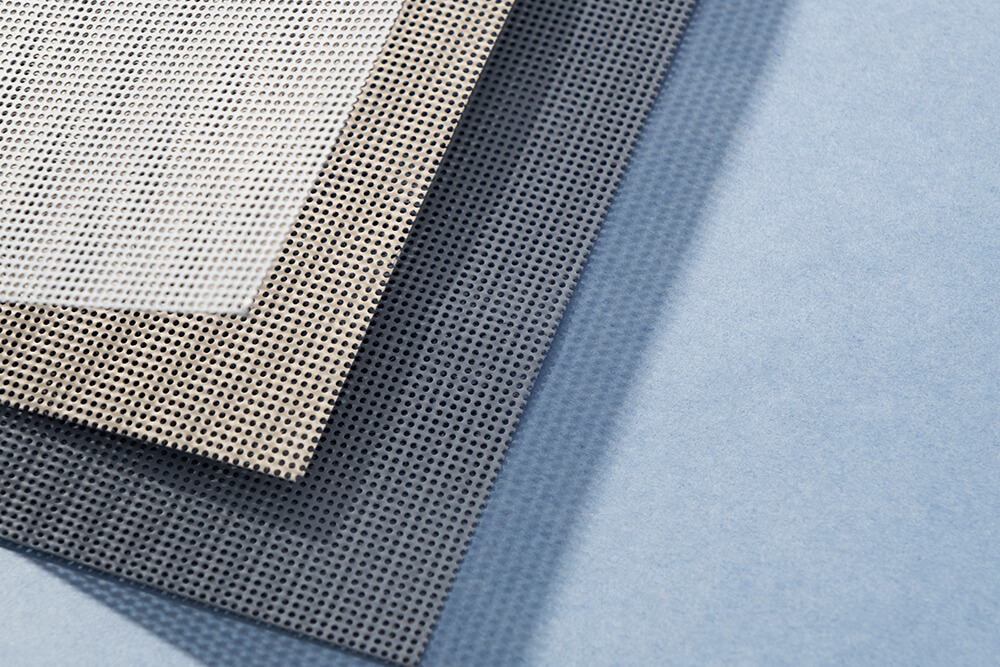
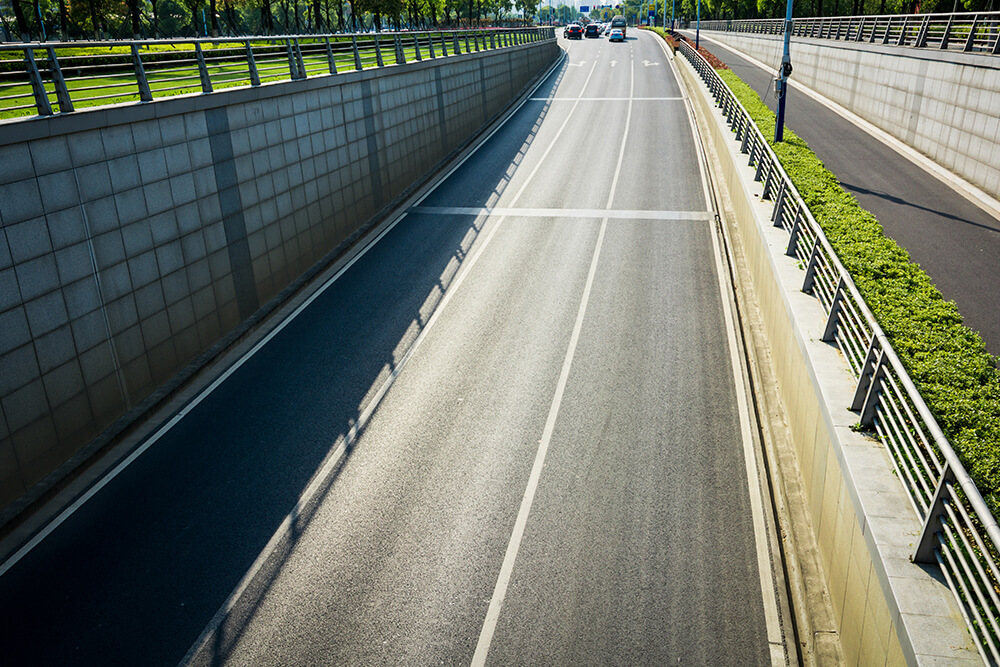
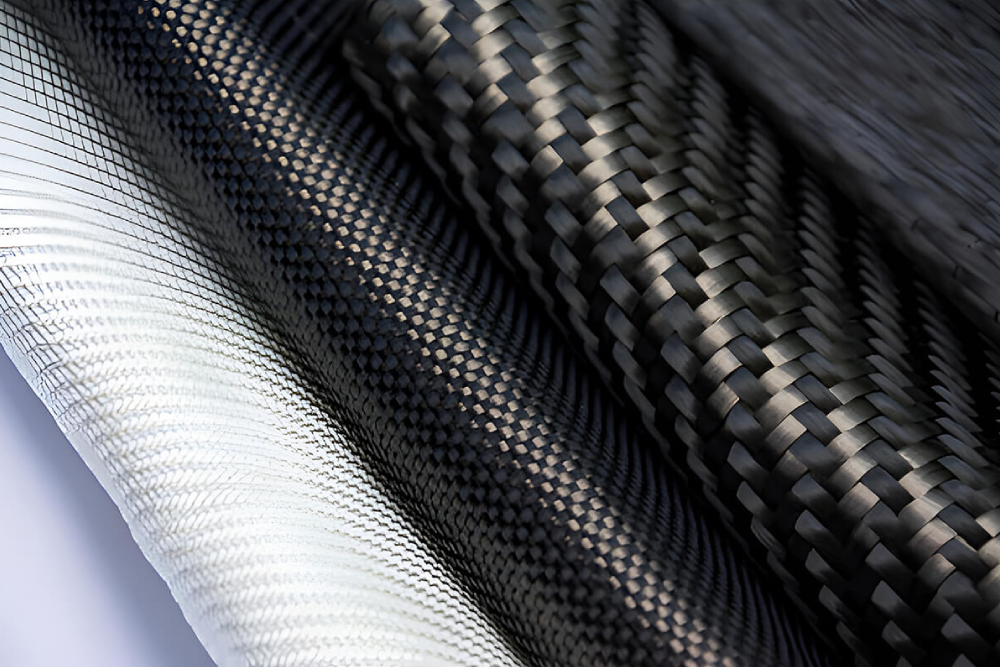
Geotextiles play a critical role in protecting slopes from erosion and structural failure in both natural and engineered environments. As construction expands into more challenging terrains, controlling soil movement and maintaining slope stability have become essential for long-term safety and sustainability. Geotextiles provide an effective, adaptable, and proven solution for reinforcing slopes, managing water flow, and preventing surface and subsurface erosion across a wide range of applications.
Introduction to Geotextiles in Slope Protection

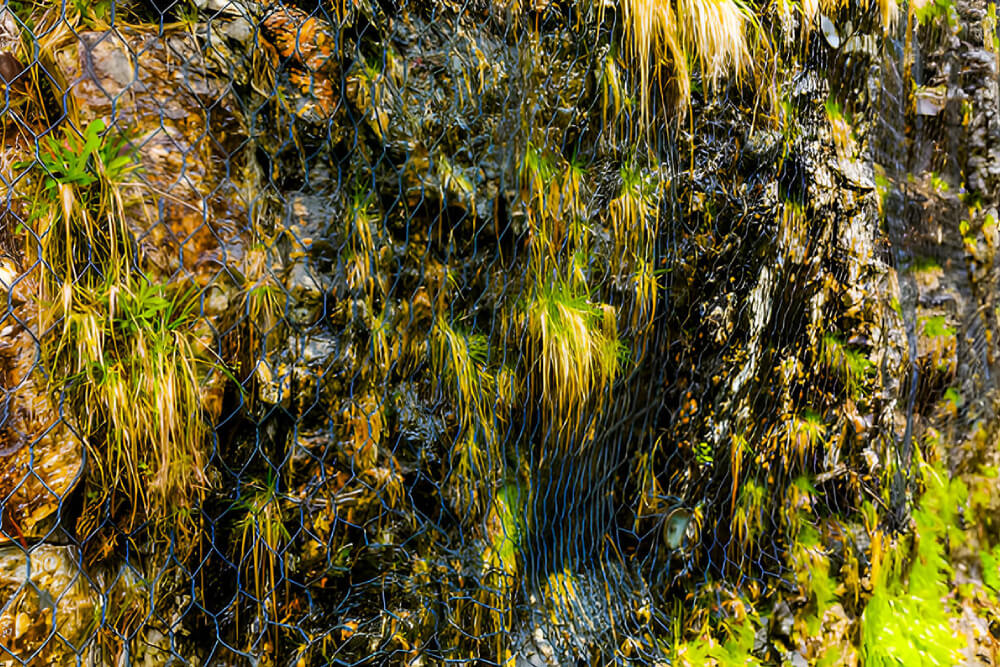
The use of geotextiles in slope protection has transformed modern erosion control practices. These materials allow engineers to stabilize slopes while working in harmony with natural soil and water behavior. By combining strength, permeability, and flexibility, geotextiles offer a practical alternative to rigid structural systems, making them suitable for both temporary and permanent slope protection solutions.

What Is a Geotextile?

A geotextile is a permeable fabric used in contact with soil, rock, or other geotechnical materials to improve ground performance. It is typically manufactured from synthetic polymers such as polypropylene or polyester, although natural fiber options also exist. Geotextiles are designed to perform one or more functions, including reinforcement, filtration, drainage, separation, and erosion control.

Importance of Slope Protection and Erosion Control

Slopes are naturally vulnerable to erosion caused by rainfall, runoff, gravity, and external loads. Without proper protection, soil loss can weaken slopes, trigger landslides, and damage nearby structures. Effective erosion control helps maintain slope integrity, protects infrastructure, reduces sediment pollution, and minimizes long-term maintenance costs.

Role of Geotextiles in Modern Geotechnical Engineering

In modern geotechnical engineering, geotextiles are widely used due to their efficiency, versatility, and cost-effectiveness. They enable engineers to design safer slopes with reduced material usage while improving performance. Geotextiles are often integrated with drainage systems, retaining structures, and vegetation to create comprehensive slope stabilization solutions.

Causes of Slope Erosion and Instability

Slope erosion and instability occur due to a combination of natural processes and human activities. Identifying these causes is essential for selecting appropriate geotextile systems and designing effective slope protection measures that address both surface and subsurface failure mechanisms.

Natural Causes of Slope Erosion

Natural erosion is driven by factors such as rainfall intensity, surface runoff, groundwater flow, wind action, and seismic activity. Prolonged weathering weakens soil structure, while heavy storms can rapidly wash away surface material, especially on steep or poorly vegetated slopes.

Human-Induced Slope Failures

Human activities often accelerate erosion and slope instability. Excavation, land clearing, improper drainage design, and construction loading can disturb natural soil balance. Exposed soil surfaces created during construction are particularly susceptible to erosion if geotextiles or other protective measures are not installed promptly.

Impact of Poor Erosion Control on Infrastructure

Poor erosion control can result in slope collapse, settlement, and damage to roads, railways, pipelines, and buildings. Sediment runoff may clog drainage systems and contaminate waterways, increasing repair costs and environmental risks. Over time, minor erosion issues can escalate into major structural failures.

Types of Geotextiles Used for Slope Protection

Different geotextile types are used for slope protection depending on strength requirements, permeability needs, environmental exposure, and project duration. Selecting the correct type is essential to ensure effective erosion control and long-term slope stability.

Woven Geotextiles

Woven geotextiles are produced by weaving yarns in a uniform pattern, resulting in high tensile strength and low elongation. They are commonly used for slope reinforcement where load-bearing capacity and soil stabilization are critical, such as embankments and steep slopes.

Non-Woven Geotextiles

Non-woven geotextiles are made by bonding fibers together through mechanical, thermal, or chemical processes. They are highly permeable and flexible, making them ideal for filtration, drainage, and surface erosion control applications on slopes.

Knitted Geotextiles

Knitted geotextiles consist of interlocking loops of yarn, offering multidirectional strength and excellent flexibility. Although less commonly used, they are suitable for irregular slope surfaces that require high conformability.

Biodegradable and Natural Fiber Geotextiles

Biodegradable geotextiles made from materials such as jute or coir are used for temporary erosion control. They protect the slope surface during the early stages of vegetation growth and gradually decompose, leaving a naturally stabilized slope.

Functions of Geotextiles in Slope Protection

Geotextiles perform several essential functions that work together to control erosion and enhance slope stability. A single geotextile layer can often fulfill multiple roles, making it an efficient engineering solution.

Soil Stabilization and Reinforcement

Geotextiles reinforce weak soils by distributing loads and limiting soil movement. This reinforcement improves slope strength and reduces deformation under traffic loads, rainfall, and gravitational forces.

Filtration and Drainage Control

By allowing water to pass through while retaining soil particles, geotextiles act as effective filters. They help relieve pore water pressure within slopes, which is a major contributor to slope instability.

Separation of Soil Layers

Geotextiles prevent the mixing of different soil layers, preserving the integrity of engineered systems. This separation is crucial for maintaining drainage efficiency and preventing long-term performance degradation.

Surface Erosion Control

When placed on slope surfaces, geotextiles protect exposed soil from raindrop impact and surface runoff. They reduce soil displacement and provide a stable base for vegetation establishment.

Applications of Geotextiles for Erosion Control

Geotextiles are used in a wide variety of slope protection applications, ranging from heavy civil infrastructure to environmental and landscaping projects.

Road and Highway Embankments

On highway embankments, geotextiles improve slope stability, reduce erosion, and enhance drainage. This helps extend pavement life and lowers maintenance costs.

Railway Slopes and Cuttings

Railway slopes experience constant vibration and heavy loading. Geotextiles provide reinforcement and erosion control, ensuring long-term track stability and operational safety.

Riverbanks and Canal Slopes

Geotextiles protect riverbanks and canals from erosion caused by flowing water. They are often used beneath riprap or vegetation systems to increase resistance to scouring.

Landfills and Waste Containment Slopes

In landfill applications, geotextiles contribute to slope stability, drainage control, and separation. They support liner systems and help manage leachate and settlement issues.

Landscaping and Green Slopes

For landscaping and green slopes, geotextiles control erosion while promoting vegetation growth. They are widely used in parks, residential developments, and slope restoration projects.

Installation Methods for Geotextiles on Slopes

Correct installation is essential for geotextiles to perform effectively. Poor installation can compromise erosion control and reduce the lifespan of the system.

Site Preparation and Surface Grading

The slope surface must be properly graded and cleared of sharp objects, debris, and loose materials. Good surface preparation ensures full contact between the geotextile and the soil.

Anchoring and Fixing Techniques

Geotextiles are secured using stakes, pins, anchor trenches, or mechanical fasteners. Proper anchoring prevents slippage and maintains position during rainfall and runoff.

Overlapping and Seaming Requirements

Geotextile panels must be overlapped or seamed according to design specifications. Adequate overlaps prevent soil loss at joints and ensure continuous protection.

Vegetation Integration with Geotextiles

Geotextiles are often installed with hydroseeding or planting. Vegetation grows through or over the geotextile, forming a reinforced root system that improves long-term slope stability.

Advantages of Using Geotextiles for Slope Protection

The use of geotextiles offers multiple technical, economic, and environmental benefits, making them a preferred solution for slope protection projects.

Improved Slope Stability

By reinforcing soil and controlling water movement, geotextiles significantly reduce the risk of slope failure and erosion.

Cost-Effective Erosion Control Solution

Geotextiles reduce the need for heavy structural solutions and extensive earthworks, lowering construction and maintenance costs.

Long-Term Durability and Performance

High-quality synthetic geotextiles are resistant to UV exposure, chemicals, and biological degradation, ensuring reliable long-term performance.

Environmental and Sustainability Benefits

Geotextiles minimize soil loss, protect ecosystems, and support vegetation growth. Biodegradable options further enhance sustainability in temporary applications.

Conclusion

Geotextiles are a proven and versatile solution for slope protection and erosion control across a wide range of environments. By addressing soil stability, water management, and surface protection, they help safeguard infrastructure, reduce environmental impact, and support sustainable construction practices. When properly designed and installed, geotextiles deliver long-lasting performance and are an essential component of modern geotechnical engineering. Contractors who seek to utilise geotextiles to ensure long-lasting performances in combating erosion and protecting slopes can use geotextiles from reliable brands such as NovaGeo, who are able to provide their signature geotextile product called NovaTex. The product is a specially designed geotextile engineered for civil and environmental works, and is available in woven, nonwoven, and specialty types. NovaTex is a long-lasting geotextile, and will serve as a product that will help strengthen and protect infrastructure, protecting them against erosion for an extended period of time.


Share this post

Related Blog